The UK's energy system is being rebuilt from the ground up, and that means costs, risks and opportunities that businesses can't afford to ignore.
Renewables generated a record 53.1% of UK electricity in early 2026, putting Britain firmly on track for its target of 95% clean power by 2030. But behind this progress lies a system under mounting strain – grid connection queues stretching past 700 gigawatts, wind farms paid to switch off because the network can't carry their power and electricity prices for medium-size businesses running 92% above the European median. Repeated energy shocks, from Russia's invasion of Ukraine to the recent conflict involving Iran, are only adding to the pressure.
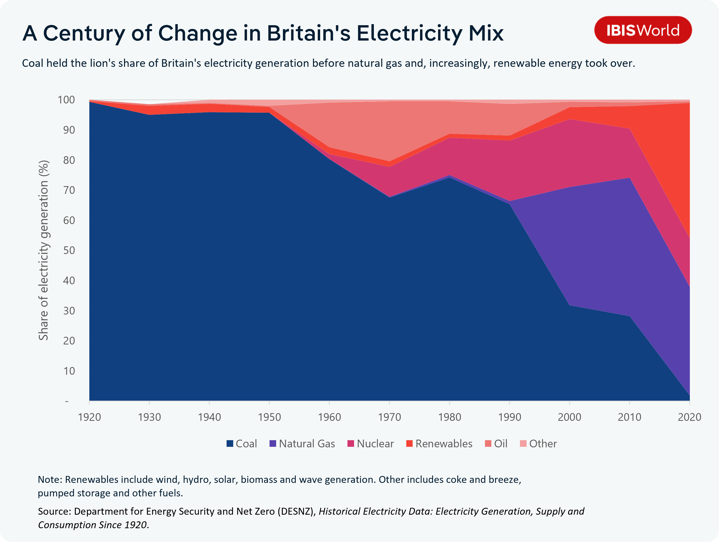
In this white paper, Associate Analyst Freddie Griffin and Senior Industry Analyst Jonas Kao present a detailed picture of Britain's changing energy mix. Drawing on the latest government data, industry statistics and company case studies, the paper examines why a cleaner grid hasn't yet delivered cheaper or more secure power – and what it will take to get there.
What's in the white paper?
This in-depth report traces the evolution of the UK's energy mix, diagnoses the constraints holding back the transition and outlines the risks and opportunities facing businesses.
A grid built for yesterday's system
Renewable generation is expanding faster than the network can carry it. New transmission projects take 12 to 14 years to build, the connections queue has grown to more than 700 gigawatts and 9.4 terawatt-hours of wind power was curtailed in 2024-25 alone.
Cleaner power hasn't meant cheaper power
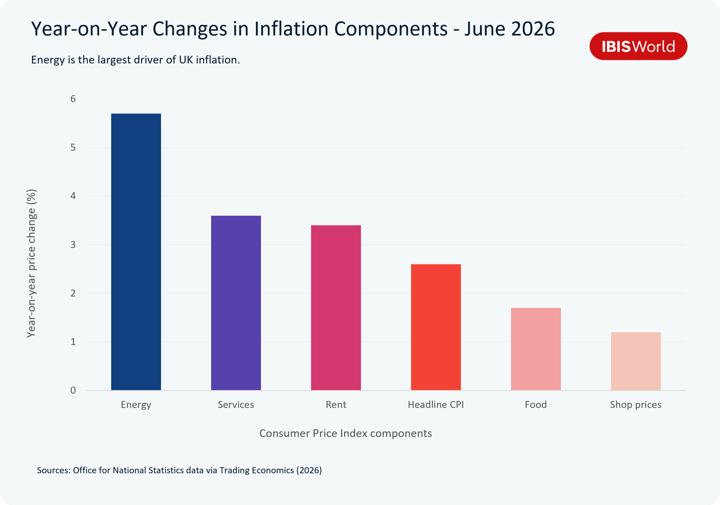
Gas still sets the wholesale price for electricity, even when renewables generate most of it. Volatile global gas markets, rising network costs and the price shock from the Middle East conflict are keeping bills high and weighing on UK GDP growth forecasts.
Electrification is accelerating demand
Cars, heating, industry and AI data centres are all shifting onto the grid. Britain's electricity demand could more than double by 2050, testing a network already struggling to keep pace.
Sector-by-sector insights
- Manufacturing: High electricity prices are squeezing energy-intensive producers like steel and chemicals, even as new opportunities emerge for equipment suppliers.
- Construction: A record pipeline of grid, generation and retrofit projects is creating sustained work, but skills shortages threaten delivery.
- Transport: Fleet electrification is accelerating, but aviation, shipping and long-haul freight remain locked into fossil fuels.
- Utilities: Water companies are becoming energy producers as well as consumers, generating and exporting power to manage rising costs.
Investment under pressure
The government has committed billions to grid upgrades and clean energy, including a ?24.2 billion network investment programme and support for over 10,000 manufacturers facing high electricity costs, but planning delays, skills shortages and financing costs threaten to slow delivery.
Why now?
Britain's energy mix is approaching an inflection point. Electricity demand is forecast to more than double by 2050 as transport, heating, industry and AI infrastructure electrify, while the cost of balancing the grid could quadruple to ?8 billion a year by 2030. Businesses must brace for a new era of energy exposure; success will depend on how well they manage costs, secure grid capacity and adapt to a system in flux.
This white paper offers critical context for navigating that challenge – one that will shape competitiveness, investment and growth for years to come.
Final Word
This report is essential reading for professionals who rely on energy market insights to guide investment decisions, manage risk and plan for future growth:
- Commercial lenders and underwriters assessing energy-related risk in manufacturing, construction or infrastructure loans.
- Management consultants advising clients on energy strategy, cost management or decarbonisation.
- Corporate strategy teams navigating rising energy costs, grid constraints or electrification investment.
- Industry associations and trade bodies advocating for competitiveness and energy security.
- Investors and infrastructure planners assessing opportunities across generation, storage and networks.
Whether you're planning infrastructure, allocating capital or helping clients adapt, this paper equips you with the context needed to understand and respond to the UK's evolving energy market.